What Is Inflammation? Understanding Natural Response for Tissue Healing
There’s a fundamental response to injury that your body has built in as a repair mechanism. Inflammation is a part of the complex natural response and is necessary for cell repair and tissue healing. Call it the first responder in healing an injury. It is crucial to increase blood flow to supply oxygen, nutrients, and growth factors that facilitate new cell creation during the healing process. But when it becomes unresolved, leading to chronic inflammation, we damage our tissues instead, leading to a cascade of issues in the body. Trending things you’ll find are arthritis, autoimmune diseases, and cardiovascular disease. How? Glad you asked.
How Inflammation works in the Body
Imagine your body like a city. Always working to continue to keep things in balance (hopefully). The inflammation response is the city firefighters rushing to a fire to put out the blaze (injury). They get in and out, saving people, removing rubble, and making the small disaster manageable. Efficient work and a quick turnaround. Chronic inflammation, on the other hand, is an all-night rager downtown that forgets you have to go back to being a productive human who values their time and vitality. Think Portland. There needs to be some level of regulation, order, and discipline to have a well-run city. Overindulging all the time, never being able to say no, is a firestorm for chronic inflammation. So how can you calm down this party that has gone on for too long? Reduce the fuel to the fire.
Chronic Inflammation and Disease Risk
The fight against inflammation is a tangled, intricate, confusing disaster. There are so many concepts and factors. And especially today in the age of information, one week you are a fruitarian, consuming apples by the bucket load, only to find out they are chock full of defense chemicals created by evolution for survival, and sprayed with highly suspect pesticides. The next week, you go all in on carnivore only to be ridiculed for being a monstrous meat-eating baboon. What’s next, TikTok influencers? Because we’re running out of options here. The answer is staring you in the face, at the grocery store, in the fridge, and at the restaurant. Processed foods are public enemy number one.
Processed Foods and Seed Oils: Top Drivers of Inflammation
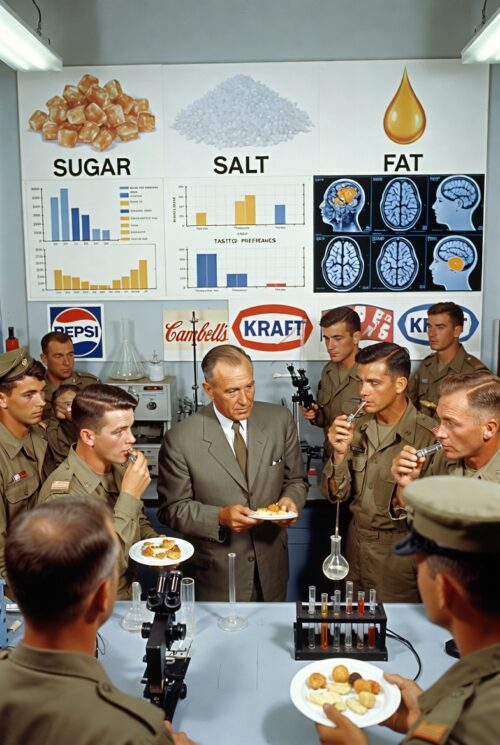
Ultra-processed foods (UPFs) do more for disease than we have been told. In the US, 70% of the diet is UPF’s. The UK is less, at 60% which isn’t great, but winning at everything isn’t always the best. We need to strive for numbers like France at 30%. Or Italy coming in at a minuscule 18%! Studies show higher UPF intake to elevated inflammatory markers like hs-CRP (high-sensitivity C-reactive protein), a blood indicator of systemic inflammation that predicts risks for heart disease, diabetes, and many more. Add a 50 percent more likelihood of cardiovascular disease mortality. That’s a pretty easy decision when you look at it that way. Either way. The amount of garbage pumped into food in order to keep things cheap and addictive (ask about the tobacco industry owning the biggest food companies) is undeniably making a huge negative impact on our health. One huge driver of inflammation? Seed oils.
How are Seed Oils Made?
It begins with the harvest. Scooping up millions of seeds ( and who knows what else) in a pesticide ridden field, only to be rushed to the massive factory for a highly processed “spa day” where its out with the good, in with the…well, nothing because its completely stripped down into a Frankenstein monster. Go through a high heat steam to aggravate the little seed enough to weep out whatever oil is in it. Then let it rest in a hexane soak (a neurotoxic petroleum distillate, boiled off from gas or crude oil) which most commercial seed oils, soybean, canola, sunflower, corn, safflower, grapeseed, cottonseed, are fortunate to have this added treatment. Sit in a bath of caustic lye (skin-burner) so it can live an unnaturally long life and be flavorless, instead of tasting like sour, chemical-ridden mucous. Give it a spin in the centrifuge to separate the foamy scum, which is, of course, repurposed for soaps or dog food. And don’t forget the absorbing clay bleach blocks that suck out any colors, which would show its true character as you add this pus to your pan. Consider switching to olive oil. The process is more like pluck, squish, eat.
What are Omega-6 Fatty Acids?
All that to say, seed oils are bad. And they cause inflammation. In the body. At every turn. Why? Seeds oils are high in Omega-6 fatty acids (linoleic acid). It is an essential fatty acid our body needs and can’t make on its own. This works in conjunction with omega-3 fatty acids (alpha-linoleic acids) to oil up cell membranes for proper fluidity. Without the proper ratios of these fats, your cell walls become resistant to hormone response (hello, insulin resistance, a.k.a. diabetes) and nutrient absorption. So more seed oils, right?! Hold your horses, turbo, this would fall into the category of more, in NOT better.
Omega-6 vs Omega-3. Why the Ratio Matters
Omega-6’s role in the body is quite literally to cause inflammation via prostaglandins, which crank up swelling and blood flow to the injury. It also contributes to clotting, which, in excess, leads to heart attacks and strokes. When you have a high ratio of omega-6, that all-nighter hosted by inflammation never stops. The ratio thats optimal for vitality in the body is around 2:1 to 4:1, Omega-3 dominant. In modern diets, the average ratio is 15:1 to 20:1, omega-6 dominant! This is wild. That means the body is in a constant state of building inflammatory responders, creating:
Chronic pain
How? Excess prostaglandins bind to nociceptors (pain receptors) in the body, making it less tolerant of pain. Increasing joint pain by 20-60 percent in osteoarthritis patients, studies show. It makes the body more sensitive to pain.
Hormones
Key issues arise when cells are unable to uptake insulin, a needed hormone to support glucose uptake in the cell. If you can’t do that, it glucose remains in the blood and you become insulin-resistant, or type II diabetic. It also competes with estrogen receptors, forcing a drop in estrogen effectiveness, especially post menopause, and a spike in PCOS (polycystic ovarian syndrome) by 35%.
Cortisol
It increases cortisol (stress hormone), which only adds to the inflammation feedback, plus anxiety. And crushes testosterone by making the Leydig cells (testosterone factory in the testes) resistant to pituitary signaling to produce testosterone.
Cholesterol
You need it. But what happens is, the omega-6 fats tamper with reactive oxygen species (ROS), a spark to get mitochondria moving, but these can easily go rogue. This leads to oxidative stress damaging cells and tissue. The cell lining of your arteries stiffens, creating sticking points with rigid edges. Kind of like Velcro. It damages the wall and oxidizes fats, proteins, and cells, which creates rigid edges that will catch on the artery wall, leading to “plaque” buildup. So LDL isn’t the demon always made out to be. It’s the fact that there are microscopic tears and scrapes on both the lining of the vessels and on the things moving through them. LDL gets roped in because it is found in the blood during routine testing. Granted, higher LDL is not ideal, but any excess sticky stuff in the vessels is bad. We need to stop giving the lazy answer of “it’s high LDL”. It is because LDL has become oxidized and made sticky, along with other proteins that move through the blood. LDL transports cholesterol from the liver to . It’s rushing to put out the fire, then getting blamed for starting it.
Take Action Against Inflammation
These are some of the main things people seek professional advice for. And it is completely warranted. The goal is to protect with information and to take charge of your health, instead of it being a passive measure. Here are a few actionable steps.
Nutrition is Highly Important in the Fight Against Chronic Pain
Take action with cleaning up nutrition. Remove highly processed foods. Add in whole foods. The argument isn’t that meat is bad or that plants have killer chemicals. The fact is, a steak is going to be better than a fast-food burger. Veggies and fruit will destroy a bagged snack you buy any day. And won’t have 34 ingredients that cannot be pronounced or explained. Dairy, like Greek yogurt or cottage cheese, is a powerhouse of protein. And not the flavored nonsense. People will say dairy is bad, but still eat crackers, bread, and cake. Wild concept.
Nutrition Strategies to Fight Inflammation: Mediterranean Diet, Olive Oil, Polyphenols
Olive oil is one of the best things to consume to reduce inflammation in the body. That’s why time and time again, study after study, recommends the Mediterranean diet. It’s high in fats, specifically olive oil, cheese, and omega-3s. It clears out inflation and brings ratios back to normal. Olive oil contains polyphenols, a powerhouse antioxidant that helps down-regulate chronic inflammation and reduce CVD by up to 25%. It also contains oleocanthals, our hero when it comes to reducing inflammation. They quite literally are a natural ibuprofen, acting on the same enzyme receptors. Even MORE effectively. Read all about Olive Oil here in this blog.
Do Omega-3s Cause Inflammation?
Omega-3s have come under scrutiny lately because they can lead to greater inflammation in the supplement form. That is because many companies buy from cheap sources, and the oils are already compromised. Leading to rancid products that do more harm than good. If you buy a quality supplement that is tested for rancidity, peroxides, and heavy metals by a third party, then the benefits of omega-3s are profound.
- Drops CVD by 30% with regular intake
- Sharpens memory, learning, and mood, protecting against Alzheimer’s and depression odds by supporting neuron health and blood flow
- Eases arthritis pain and autoimmune flares
- Guards against age-related vision loss
- Crucial for fetal brain/eye development during pregnancy
Supplements from a Trusted Source
There are quite a few more benefits, and many studies can be found on the NIH or PubMed. Here’s one for Olive Oil. Most supplement companies aren’t spending hundreds of millions on research and education to coerce a biased outcome with cherry-picked data, (like some other powers in the health space). But that being said, not all supplement companies are doing it right either. Don’t go cheap on health. Invest in that crazy bag of bones we wander around in.
Resistance Training for Inflammation and Pain Relief
Resistance train. It’s incredibly insane the benefits that derive from it. No need to go crazy. You don’t have to spend every day for hours, following Arnold’s peak protocol. 3x a week, 30 minutes of dedicated, intentional work will yield great benefits. Reducing inflammation and insulin resistance through muscle building, destroying oxidative stress markers. Every extra pound adds about 4 pounds of force to each knee per step. 10 pounds overweight = 40 pounds extra load. Walking alone multiplies it to 1.5x body weight, and stairs/jumping hit 4-6x, turning minor excess into major cartilage grind. Losing just 10 pounds can unload 40-50 pounds of that force, cutting pain 20-30% in studies. Even 5-10% weight loss through resistance training dials back inflammatory markers 15-25% in 3-6 months. A breakthrough in the pain-inflammation loop.
-
- Build quadriceps (thighs) and hamstrings (back of thighs), and glutes (butt cheeks) specifically. This will take pressure off tendons and ligaments in the knees significantly. Increasing stability and flexibility, while easing stress on cartilage. Studies show a reduction of pain by 30% in 8-12 weeks, with strength gains explaining 40-50% of the relief. Stronger muscles absorb shock better, easing cartilage grind. This doesn’t mean you need to squat 400 pounds either. There are benefits from bodyweight squats, wall sits, and band work. Just lunge your groceries from your car. It will give you double the benefit. One-the strengthening of your body. Two-the realization you buy too much food. Read this article for an Easy Workout to Lower Blood Pressure.
NSAIDs and Painkillers: The Risks of Overuse
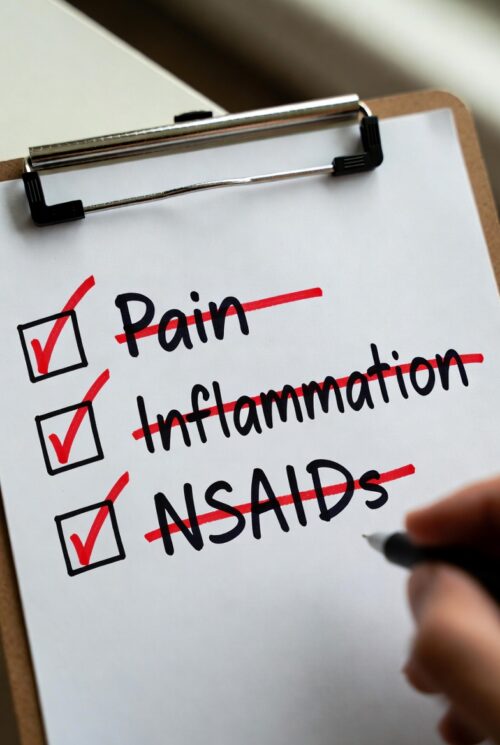
Why ibuprofen and Tylenol are not the best. First off, like mentioned early, some inflammation is good. It’s needed in the healing process and has a proper role in the body. So if you get an injury, it’s not best to just pop NSAIDs (non-steroidal anti-inflammatory drugs) right off the rip. Also, if the body is in constant pain, there is an underlying issue that needs to be addressed, not covered with a band-aid. If you have a hole in your head, putting a hat on won’t save your life. Also, ibuprofen has a dramatic effect on kidney function and can destroy the mucosal lining in your stomach, leading to ulcers and severe GI issues. Sadly, many veterans suffer from this because they are typically prescribed a 600-800mg ibuprofen with no enteric coating (prevents dissolving in the stomach) that just carpet bombs the stomach lining, which in turn gets eaten by the very acid the stomach holds. It can lead to chronic stomach issues and GI bleeding. It raises the potential for kidney failure with continuous use.
Tylenol
The #1 cause of acute liver failure in the US (per 2025 NIH data). Pair that with alcohol consumption, the perfect storm. Tylenol is less hard on the GI tract than NSAIDs, but still not advised as a daily combatant. It can also cause allergic reactions and irritations in the body, while also raising liver enzymes like AST (check you recent blood panels). Many painkillers and cold meds sneak it in, leading to an overdose of recommended usage. Be aware.
Reduce Inflammation and Take Control of Health
Inflammation is a gnarly necessity. But overdo your all-nighter, and forever stay in a state of pain. There’s also an interesting thing that happens when you reduce major pain in one area of the body. You may find you have other nagging injuries that have been neglected, do to masking. This will free up the ability to do more work on getting the body to a better state. In all, there are many things to consider when reducing pain and inflammation. The lowest hurdle is nutrition. Remove the highly processed foods that are created for addiction and profit. Health is a complicated, wonderful series of events. Don’t make it an unfortunate one. Keep things correctly moving, master pleasures, and reduce pain. Be honest and consistent. The benefits compound if we don’t fall into the instant gratification of today’s society. There is power in realizing, sometimes you just don’t get what you want. And that’s fine. Take control of health.
Action Steps: How to Reduce Chronic Inflammation Today
Blood Panel Audit
Take action and make health a responsibility. Send an email for a comprehensive health review, including a free blood panel audit. Contact us here. Or shoot an email to info@solutions2wellness.org