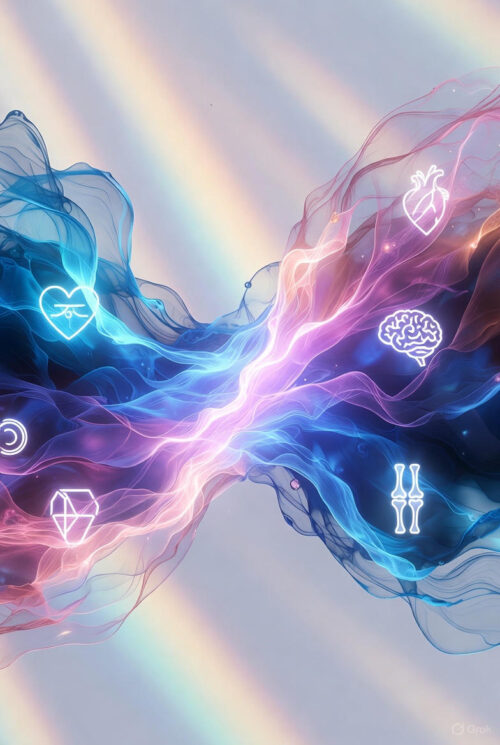
Estrogen plays a direct role in our mood. The correlation to soft skin and lubrication for joints to help arthritis. This article dives into each and more covering the importance in both men and women.
Much like testosterone is considered only important in men, estrogen often gets this same connotation for women. But both are important for men and women and understanding this is essential to our health.
There are 3 types of estrogen, but the most recognized by the body is estradiol (E2). That is the most potent one, and what we will focus on today; typically, it is the one people refer to.
Estradiol plays a role in female secondary sexual characteristics, and too much of it in the male body can give these effects in men. Big drivers of it are adipose tissue (fat).
Testosterone is abundant in men and women. Women have less of it than men, but it is still a needed hormone. It is important to know this because testosterone converts into estrogen via the enzyme aromatase. And if we return to the conversation about adipose tissue, Estradiol aromatizes heavily in fat cells. The more fat tissue, the more aromatization of estrogen.
So for men, it’s important to reduce body fat to balance this out. And for women, it is good to understand so they have more regular cycles, which is a cascade of hormones working together.
How Estrogen Powers Your Mood. From Cycles to Crashes
Which brings us to the next point of mood. This is extremely important because women have mood shifts during menstrual cycles, during pregnancy, and postpartum depression, all of which involve estrogen levels. These levels are increasing during ovulation (potentially boosting mood, then drop after ovulation, and during pregnancy can skyrocket. After birth, the levels crash; estrogen plummets within days of birth, which can contribute to the “baby blues” (affecting 80% of new moms) or postpartum depression (PPD) in 15%. This hormonal free fall is one reason PPD hits so hard and suddenly. Typically, an SSRI is the antidote, which doesn’t correct the issue of a lack of estrogen.
Estrogen is directly correlated to serotonin, our mood neurotransmitter. Estrogen helps control monoamine oxidase, the enzyme that breaks down serotonin. When leveled of estrogen are high, it lowers MAO activity, therefore more serotonin is available. If you have low estradiol and then increase MAO, your mood will plummet due to the quicker breakdown of serotonin, leading to depressive states.
TRT and Aromatase Inhibitors on Mood Swings.
In regard to men, often we see an aromatase inhibitor (AI) given in conjunction with steroid hormones, most commonly with Testosterone Replacement Therapy (TRT). In my opinion, this is incorrect prescribing and should be discussed more. Men are susceptible to the same mood crashes when blocking aromatase and potentially crashing estradiol to single digits. If you are on true replacement, and not supra physiological levels of testosterone (and other steroids) then the mood correlation to crashing estradiol should be considered, not levels of testosterone.
Levels of testosterone dosing can be adjusted when side effects occur, and prolactin is often never considered, when it is a direct cause for breast tissue development. Otherwise known as gynochomastia. Estradiol is the fertilizer, creating more blood flow and nutrients to the tissue in the area, and prolactin is the cause of the growth.
Estrogen’s Role in Gut Health, Digestion, and Muscle Strength
Estrogen increases the enzymatic activity of the production of tryptophan, an essential amino acid we can only obtain from food sources because the body cannot synthesize it. The amino acid tryptophan is necessary for the production of serotonin. Serotonin is crucial in digestion and muscle function. Meat, eggs, dairy, and nuts are all good sources; it has been shown in research that soy and other plant sources of tryptophan can be 50% less bioavailable than animal sources.
In regard to serotonin in the gastrointestinal tract, it is necessary for peristalsis, or the movement of food through the digestive system, and gut motility. When levels decrease in menstrual cycles, it can be link to IBS, bloating, and potential muscle weakness from poor absorption of nutrients.
Cognitive Decline Post Menopause.
All these symptoms can be connected to menopausal women as well, when the body effectively stops production of estradiol by up to 90%. Here is a link to the correlation of mental decline in menopausal women
https://www.mdpi.com/2076-3425/15/9/1003
Joints, Skin, and Arthritis: Estrogen is Crucial.
Interestingly enough, estrogen plays a role in collagen synthesis, in joint and cartilage health, and is linked to more severe arthritis. When you reduce it, you then have more wrinkles from drying skin, joints that stiffen due to a lack of fluid via hydroponic acid in the synovial fluid, and then the onset of further pain in joints.
Estradiol stimulates fibroblasts and chondrocytes (cartilage cells) to upregulate type I and II collagen, the scaffolding that keeps skin firm and joints resilient. It also dials down inflammation by reducing cytokines (like IL-1 and TNF-α) that chew up cartilage, which is why pre-menopausal women often have lower osteoarthritis rates. Check out the inflammation video I did here for a deep dive on inflammation.
Hyaluronic Acid is a saccharide, which is science for “sugar”. The osmotic gradient is that is draws 1000x its molecular weight in water, making it extremely hydrophilic. It is highly present in synovial fluid, and thus gives the joints moisture to lubricate. The same goes for skin. Allowing for more moisture in the dermis, beneath the sebaceous glands. This then allows for more moisture and supple skin, allowing the sebaceous glands to down-regulate sebum (oil) on the skin’s surface. This is dually beneficial, you have softer, tighter skin, without excess oil (or lotions with a litany of endocrine disrupting chemical like PEG-8).
A common complaint of men who are on TRT is joint pain, and most often are on an AI. So levels of E2 are diminished, leading to dry joints.
Estrogen’s Heart Health Supercharge: Nitric Oxide, Blood Flow, and Beyond
There is also a direct correlation with increased levles of endothelial health when estradiol is high due to its role in the increase of nitric oxide (NO). This is a gaseous molecule that vasodilates the vessels, increasing blood flow, angiogenesis, and circulation to the brain. It is also a very effective way to reduce systolic blood pressure and will deliver more nutrients to the muscles for increased repair.
Estradiol binds estrogen receptor alpha (ERα) on endothelial cells, triggering phosphorylation (activation) of endothelial nitric oxide synthase (eNOS), the enzyme that churns out NO from L-arginine. This can boost NO by 20–50% in vascular beds like coronary arteries.
These increase levels of perfusion, then feed angiogenesis by upregulating VEGF (vascular growth factor), sprouting new capillaries for tissue repair. These all assist in the reduction of inflammation, and therefore oxidation in the endothelium, leading to more flexible, healthy vessels and reducing the likelihood of cardiovascular events, all measured in meta-analyses with Flow Mediated Dilation, a measurement with a blood pressure cuff and compression, comparing vessel size and return to size and blood flow after pressure is applied and released.
Estrogen in Heart Health and LDL cholesterol.
Estrogen is not something to overlook in heart health. The argument whether cholestorl plays a role or not is never ending, but if you are interested in the topic, nonetheless, estrogen plays a role in LDL speicifally in the hepatocytes (liver) cells, regulating the gene expression of reactors for LDL cholesterol. This allows for more uptake of LDL, lowering levels 10-15% in serum tests, seen with estrogen replacement in menopausal women. It also upregualtes the expression for more HDL cholestorl, raising those levels. Overall, to have better numbers on any biomarker is advantageous. And oftentimes, a statin is tossed out instead of HRT. We are now seeing how the stigma of hormones was a huge mistake for an entire generation of women. Fortunately that is changing.
Estrogen is Extremely Important in Our Bodies Health.
Estrogen is not something to overlook. No hormones are. The endocrine system plays an extremely important role in every facet of our bodies. And more often than not, it is never even considered when issues arise.
Send an email to info@solutions2wellness.org for questions, or DM on Instagram: https://www.instagram.com/solutions2wellness_/