Doc Says A Cortisone Shot is Best for the Pain. Is It?
Constant knee pain, a hip that aches all day, or a back that won’t stop screaming. All symptoms that prompt a doc visit, ending in the endlessly praised ‘cortisone shot’. You walk out, perhaps even pain-free. Almost instant relief! Wow, how great. The next morning, you wake up ready to take on the day because your chronic pain has finally left, and your head is clear to move on to life’s challenges. This seems great, the weeks turn into months, and then all of the sudden, the pain starts creeping back in. Hey doc, time for another “miracle shot”! That worked so well last time. Except this time, it is less effective, and only a few weeks of relief were experienced. Then you get instability, soreness, until finally it pops. A tendon in the area you were getting shots just ruptured. What the heck. “I guess the injury was worse than I thought.” Maybe. Or the reason that miracle pain relief stopped working, then an injury occurred, is because the shot itself caused more damage than good.
What Is a Cortisone Shot and How Does It Work?
What is a cortisone shot? It is a corticosteroid injection, mimicking the hormone cortisol (produced naturally by the body), injected into a tendon or bothersome area. Well, isn’t cortisol bad? Actually, the effects of cortisol are anti-inflammatory. Contrary to popular TikTok reels. Natural cortisol helps downregulate cyclooxygenase enzymes. These enzymes are part of the inflammation cascade, and inhibiting them reduces swelling, therefore pain and discomfort. So, where does the “cortisol causes inflammation” come in?
Natural Cortisol vs. Synthetic Shots: The Key Difference
Well, it’s more in-depth than that. Cortisol is a glucocorticoid, essentially a steroid hormone that affects glucose and helps reduce inflammation. The chronic inflammation or claim that cortisol causes inflammation is a more in-depth result from too much cortisol in the body, due to chronic stress, inflammation, and autoimmune disease, where the receptors for cortisol become resistant to it. (Much like insulin in Type 2 Diabetes). So when your cortisol levels are always through the roof, technically yes, cortisol will lead to inflammation, but it is due to the receptors having become resistant and now cortisol has minimal to no effect. Back to the shot.
What do the Studies Say on A Cortisone Shot?
The cortisone shot is a hyperconcentrated version of the hormone cortisol. It is praised for its ability to reduce swelling and pain almost instantly. That’s fine if you want quick relief, a Band-Aid to cover up your wound, and a quick way for the doc to make an extra few bucks. More RVUs for the visit! But essentially, cortisol has a catabolic (breakdown) effect on tissue and cells. This is balanced by the body when at natural levels. But when getting concentrated synthetic shots of cortisol, the balance, and the anabolic (building) hormones can not keep up. Countless studies show the detrimental effects on collagen synthesis and wound healing. Check out this one from 2002! – Showing the effects on skin and wound healing. And we are still ignoring this evidence? Time to take off the blinders.
The Hidden Dangers of Cortisone Injections
The effects don’t stop there. These quick-fix shots are detrimental to bone health as well. Synthetic corticosteroid injections have a direct correlation with bone health via osteoclasts (bone consumers), which resorb old bone to release minerals, while osteoblasts (bone builders) create new bone. In conditions like chronic steroid exposure (e.g., cortisone shots or oral prednisone), osteoclasts go into overdrive, outpacing osteoblasts and leading to net loss of bone mineral density. So then they throw you on another prescription for a pill that helps increase bone density. Great, more meds. Well, an alternative to that, resistance training lowers the risk of osteoporosis and increases bone density 20-30% long term. That’s an easy win and well worth the investment. So get the shot and then what? Wait for the pain to return?
Why Multiple Shots Make Injuries Worse Over Time
The body is incredible, and is capable of amazing feats we take for granted every waking moment of our lives. And one thing it likes to do is adapt. So, after getting 1 shot, then another, the body becomes resistant, and shots have less effect and are needed more frequently. The guideline is 3 shots or fewer per year. But I’m sure we all know someone who doubles that dose in 12 months. And what happens after getting the max dose? The pain isn’t resolved, and surgery is recommended. Perhaps because the underlying issue was never addressed, add in the fact that the shot MAKES INJURIES WORSE, and then you have now been offered the highest return on investment for a doc…surgery. How do we not correlate this? One shot, two shots, three shots more, now on to a trip to the O.R. It is breaking down the body’s mechanisms that are trying to heal you. Ok, then what is the alternative?
Alternatives to Cortisone Shots: Smarter Ways to Beat Chronic Pain
Fix Your Diet to Reduce Inflammation Naturally
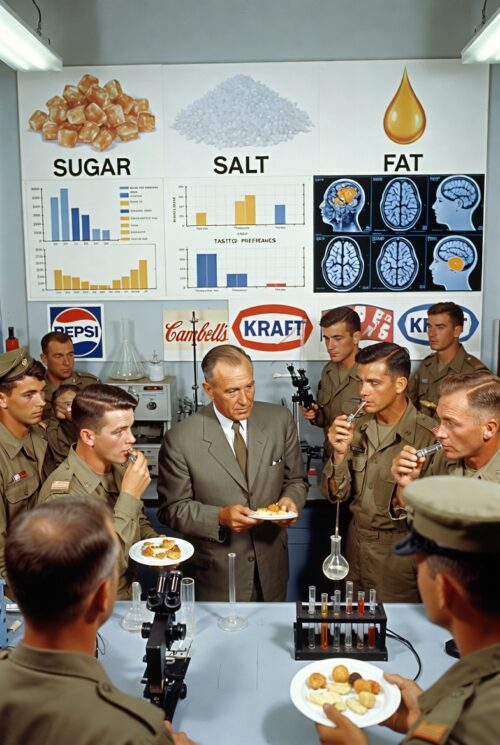
First and foremost. Figure out that a diet full of processed foods, garbage oils, and processed carbs (including bread) is providing a breeding ground of inflammation in the body. Number one thing on the list: read labels and get rid of nonsense foods. This is probably the most challenging thing individuals will have to do. Most people don’t want to give up snacks and easy cooking. When in reality it’s not that hard to cook the right foods and get high-quality ingredients. Everyone wants their easy little snacks like pretzels and veggie straws.
- Veggie Straws, Gross Truth
- Despite the name, veggie straws are primarily made from potato flour, cornstarch, and oil, with only small amounts of dehydrated vegetable powders (tomato, spinach). They are highly processed, lack significant protein or nutrients, and thus behave similarly to other refined snacks, causing a quick rise in blood sugar levels. Same with pretzels (but they are low-fat!), which is a horrible misnomer as well. Read why in this blog.
Resistance Training: Build Bone Density and Fight Pain
After that, we should examine resistance training and its benefits for everyone, particularly for menopausal women. They are more prone to osteoporosis and hip fractures due to a lack of estrogen. Another consideration and good point addressed in this HRT blog for women. Resistance training increases bone density and helps reduce inflammation by releasing natural, HEALTHY doses of cortisol. Initially, many people feel as if it is painful and too hard, but in reality, it is one of the greatest things you can do for your body. Build yourself a suit of muscle armor for long vitality.
PRP Therapy: Your Body’s Own Healing Power
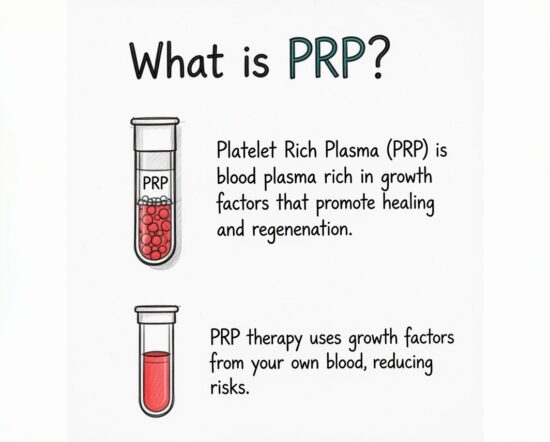
Platelet-rich plasma, or PRP, is a great procedure as well. Probably most known in the cosmetic space from the influencers. But in reality is a wonderful, powerful way to help with healing. ( speaking from experience, having it done). It is a simple procedure that involves spinning the blood, removing the plasma, and injecting it into tendons, joints, and other hard-to-reach, low-vessel areas to provide it with growth factors and nutrients for healing. The best part is that it comes out of you, so it’s not a lab experiment. And it is extremely effective. Check out one study here. With plenty more completed in recent years. What’s the catch? Insurance doesn’t cover it because it works and won’t have you coming back for more. So the docs say it’s voodoo. When in reality, it absolutely works and has almost no drawbacks.
Stem Cell Injections: The Breakthrough You’re Missing
Stem cells. Here is a big controversial topic. People want to sit in the corner, cover their ears, close their eyes, and stomp their feet, not realising they are missing a breakthrough treatment, life-changing for many (also speaking from experience). Most people probably don’t realise, we have stem cells in us at all times. Your body recruits mesenchymal stem cells (MSCs) constantly. 1–5% of bone marrow is MSCs, migrating to injuries to secrete anti-inflammatory factors and scaffold repair for the body. Stem cell therapy just amps that: A single knee injection (20–50 million cells) mimics a turbo-boost of anti-inflammatory and regeneration. The headlines of the 2010s touting its “stealing newborns” is a wild crack for a clickbait headline. Guess what, we believed it. In reality, the umbilical cord-derived MSCs (UC-MSCs) come from donated cords post-birth (after healthy, full-term deliveries). Parents opt-in via hospitals, just like cord blood for leukaemia treatments. It’s waste repurposed; the cord’s discarded anyway. Or you can opt to have it drawn from your own marrow and injected into the injury site.
Make the Right Choice for Your Health.
In the end, it’s your body, you choose what you want to do. But if you look at the evidence and understand why you are doing it, doesn’t that make more sense? If not, continue the foot-stomping approach to life. But if you are interested in taking your health into your own hands, not relying on an outdated, profit-seeking industry, then keep reading this blog. The articles are written from experience and frustrations born out of failed systems and misguided approaches. The goal is to arm you with information and allow you to make the decision on your health. Not a doctor, not a commercial, or an insurance company. Information – the most powerful drug.
Blood Panel Review
If you want a health review or blood panel audit from a recent panel you had, contact us here to set it up.